Wondering how to wash football kit properly? Fortunately, it’s usually much simpler than people think. Football kit goes through a lot. Mud, rain, sweat, grass stains and regular trips through the washing machine all take their toll over the course of a season.
Don’t Leave Damp Kit Sitting in a Bag
If football shirts develop a stubborn smell, the problem often starts before they reach the washing machine. Leaving damp kit at the bottom of a bag after training or a match gives bacteria plenty of time to build up in the fabric. The longer sweat and moisture sit there, the harder those odours can be to remove later.
If you can’t wash your football kit straight away, hang it up somewhere with a bit of airflow first. Even a few hours can make a difference.
Wash Football Shirts Inside Out
Before washing, turn football shirts and shorts inside out to help protect printed sponsors, badges, design, colours and numbers from unnecessary rubbing during the wash cycle. It also allows the areas that have absorbed the most sweat to get a more direct clean.
Use a Good Biological Detergent
For most football kit, a good-quality biological detergent is usually the best option.
The enzymes in biological detergents help break down sweat, body oils and everyday dirt, making them particularly effective on sportswear. If you’re dealing with muddy socks, grass stains and general match-day grime, a decent bio detergent will often do more good than a specialist sports product.
Sports-specific detergents and laundry sheets can help with stubborn odours, but they aren’t a magic fix for every washing problem.
Keep the Temperature Down
Most football shirts, shorts and training wear can be washed perfectly well at 30°C. Lower temperatures are gentler on technical fabrics, help colours stay brighter for longer, and use less energy than hotter washes.
The same applies when drying. Air drying is usually the safest option, and it’s best to avoid placing kit directly onto radiators or other strong heat sources.
How to Stop Football Shirts Smelling
If a football shirt still smells after washing, bacteria and body oils trapped in the fabric are often the cause. One common culprit is fabric conditioner. It works by coating the fibres to give clothes a soft feel and pleasant smell. Over time, that coating can make it harder for sweat and odours to wash out properly.
The conditioner smell soon fades, but the trapped sweat and odours don’t. That’s why some football shirts can seem fine hanging on the washing line, only to start smelling again halfway through the next training session.
If you’ve used fabric conditioner regularly, simply switching to a biological detergent and leaving out the conditioner for a few washes will often help reduce any build-up over time.
A few simple things can help:
- Wash kit as soon as possible after use
- Avoid leaving damp clothing in bags
- Use the correct amount of detergent
- Clean your washing machine regularly
- Avoid fabric conditioner
However, even the best detergent will struggle if a shirt has spent four days sitting damp in a sealed kit bag.
Damp, musty smells can also develop if football kit takes too long to dry after washing. If possible, dry shirts somewhere with good airflow rather than leaving them to dry slowly in a cold room.
If smells are still lingering, a small amount of white vinegar in the rinse cycle is a popular trick for freshening up sportswear, particularly if kit has developed a damp or musty smell. Bicarbonate of soda (not baking powder) is another popular option. It can help tackle lingering perspiration stains and odours, freshen up kit bags and absorb unwanted smells from football boots.
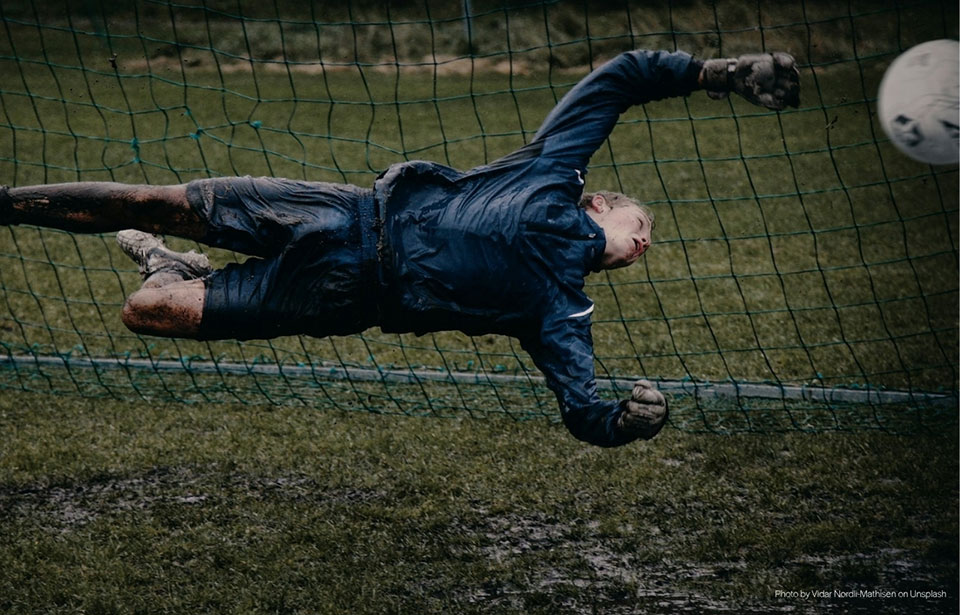
How to Remove Mud and Grass Stains
Mud is part of football, particularly during a British winter.
The temptation is to throw everything straight into the washing machine as soon as you get home. In reality, you’re often better letting heavy mud dry first, then brushing off as much as possible before washing.
For stubborn mud and grass stains:
- Brush away dried mud first
- Rinse off loose dirt
- Pre-soak heavily stained areas
- Rub a little biological detergent directly onto stubborn grass stains before washing
- Test stain removers on a small area first
- Avoid bleach-based products on technical fabrics – even if they’re white.
The sooner you deal with a stain, the easier it usually is to remove.
How to Wash Football Kit: Frequently Asked Questions
What temperature should football shirts be washed at?
For most football shirts and training wear, 30°C is ideal.
Will football kit colours run in the wash?
Modern football kit is usually very colourfast, but brightly coloured socks, brand-new garments and the odd rogue item in the wash can still cause problems, particularly at higher temperatures. Washing at 30°C and using a colour catcher sheet will help reduce the risk.
Can Football Shirts Be Dry Cleaned?
Avoid dry cleaning where possible. The chemicals used can be harsher on technical fabrics than standard laundry detergents Always check the care label, but for most modern football kit, a standard 30°C wash is the safer option.
Do football shirts shrink?
Modern polyester football shirts are unlikely to shrink significantly. However, excessive heat from tumble dryers and hot washes can damage the fabric and affect the fit over time .
Can football shirts go in the tumble dryer?
It’s best avoided where possible. Air drying is kinder to technical sportswear.
Why does my football jersey still smell after washing?
Usually because sweat, body oils and bacteria have built up in the fabric, often after kit has been left damp for too long.
How do you remove damp smells from football kit?
Damp or musty smells usually develop when kit stays wet for too long. Washing the garment again, avoiding fabric conditioner and adding a small amount of white vinegar to the rinse cycle can often help remove lingering odours.
Looking for New Football Kit?
Looking after football kit properly can help it last longer, but eventually every team reaches the point where it’s time for a new strip. Whether you prefer to create your own design using our online Football Kit Designer or work with our dedicated design team, we can help you create a kit that’s unique to your club.
About Appin Sports
Appin Sports provides custom designed sportswear for clubs, teams, events and organisations across the UK and beyond. Our range includes several technical fabric options designed to suit different sports, budgets and performance requirements.
Whether you prefer to design your own kit using our online Kit Designer or work with our dedicated design team, we’re always happy to help you choose the right fabric for your club or event.