A practical guide for grassroots clubs.
- “Can you sort the new kit for the team?”
It’s a question most grassroots clubs will recognise straight away.
For many teams, that job falls to a volunteer. It might be a coach, a committee member or a parent. Some enjoy the creative side. Others find the responsibility a bit daunting.
Before jumping into colours and patterns, it’s worth thinking through a few practical decisions. These shape the final kit and help avoid issues later, like sponsor logos not fitting or colours clashing with opponents.
Quick checklist: What to consider before designing a custom football kit
- What items do you need in your football kit?
- How many sponsor logos need to appear on the kit, and where will they sit?
- What colours should your football kit be?
- How long should the kit design last?
- Do you need both home and away kits?
- Do you need player names and numbers?
- Do you need a separate goalkeeper kit?
Once these are clear, the creative side becomes much easier (we promise).
1. Decide what items you need
Before getting too far into colours and design details, it’s worth thinking about exactly what you need for the team.
Some clubs only need new match shirts, while others want a full kit including shorts and socks. You may also want to include a goalkeeper kit, training wear or leisurewear, so the squad has a consistent look on and off the pitch.
It also helps to think about the bigger picture. When several garments are involved, it’s easy to get carried away and make everything the star. Often the strongest kits have one standout item, with the others designed to complement it.
Being clear about the items you need from the start helps guide the design process and ensures everything works well together across the full kit.

2. Consider your sponsors
For many grassroots teams, sponsors are an important part of the final kit design, so it’s worth establishing early how many logos need to appear on the shirt.
Football shirts usually follow a fairly standard layout for badges and sponsor logos. The club badge will usually sit on the left chest, with the main sponsor across the front of the shirt. Additional sponsor logos may appear on the sleeve or upper back, depending on your club’s arrangements.
It’s surprisingly easy to get carried away with colours and patterns before thinking about where sponsor logos will actually sit.
Sponsors will normally want their logo shown in its official brand colours, so it’s worth checking this before finalising the design. It can save having to redesign the shirt later.
If the kit is for a youth team, it’s also worth checking that the sponsor is appropriate for junior players and complies with any league rules.
3. Confirm your club colours
Most football clubs already have established colours, and these usually form the foundation of any new kit.
At this stage it’s worth thinking about:
- the main shirt colours
- any secondary or trim colours
- how the colours will work alongside the badge and sponsor logos
If you’re entering a new league or setting up a new team, it can also be worth taking a quick look at the colours other clubs wear. If another team already plays in black and red stripes, choosing something different can help avoid those moments when both teams arrive in similar colours, someone ends up in bibs and you never get to show off your kit.
4. How long should the kit design last?
You may want a kit that can be reordered for several seasons, particularly for youth teams where new players join each year. If this is the case, consider a more classic design that the club will still be happy wearing for some time. Football kit designs go through trends like anything else, so what feels very current today may not age quite as well.
Alternatively, you may prefer to introduce a fresh design each season. This might be because the main sponsor changes regularly, the club wants something new, or the kit is marking a special occasion or promoting a particular event.
5. Do you need home and away kits?
Some leagues require teams to have a second kit to avoid colour clashes with opponents. If both teams arrive wearing similar colours, the away kit gives you a clear alternative, in line with FA guidelines.
Even if this isn’t currently required, it can still be worth thinking about an away kit. Planning both kits together helps ensure there is a clear contrast if you need it later, whether for cup matches, tournaments or future seasons.
Typically the home kit reflects the club’s familiar colours, while the away kit provides a strong visual contrast.

6. Do you need names and numbers?
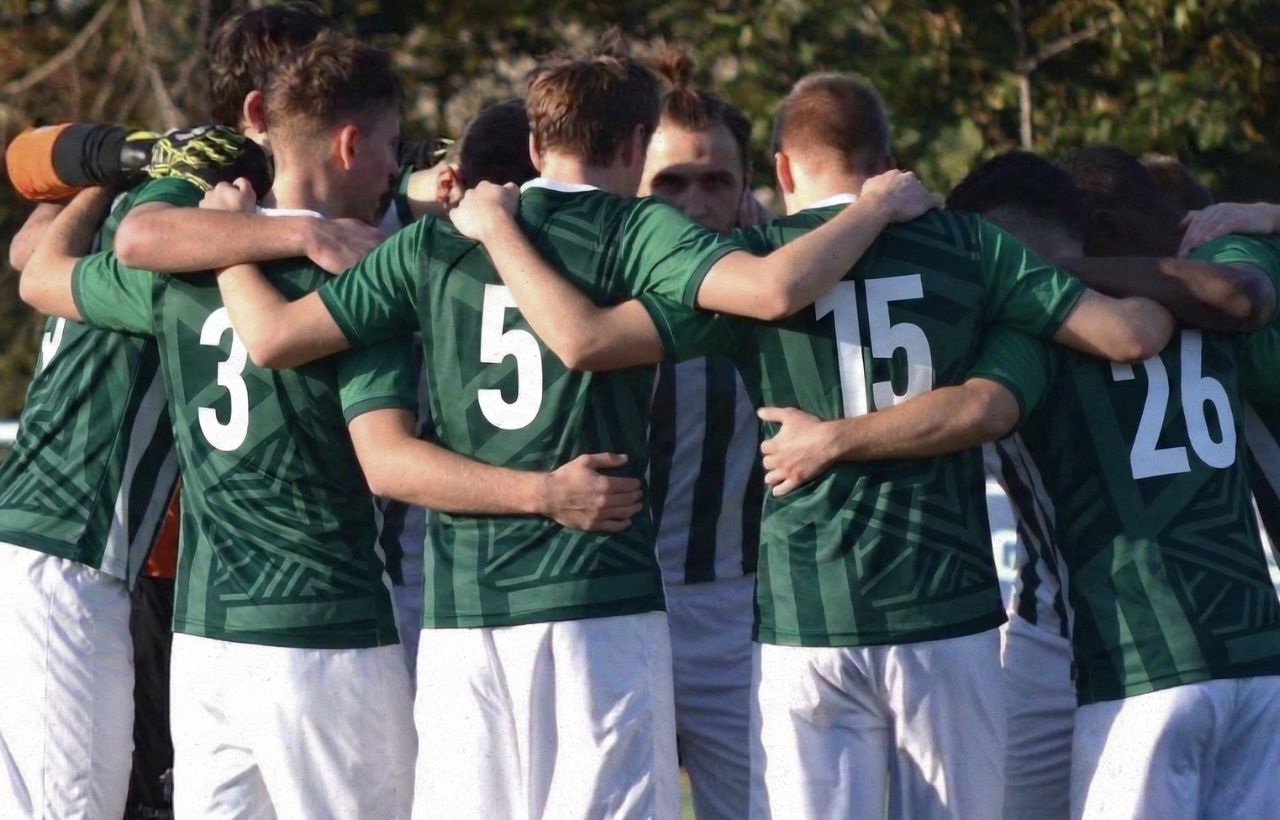
Most teams include numbers on the back of their shirts so players can be easily identified during matches by spectators and referees.
Player names are a popular addition and a great way to personalise the kit for each player. Traditionally shirts only carried numbers, and many grassroots clubs still use numbers only, particularly if shirts are reused between seasons, passed down to new players, or shared between a wider squad where line-ups change regularly.
Some teams also choose to include a small number on the front of the shirt, although this is usually a matter of preference.
Whatever option you choose, the numbers should remain clear and easy to read from the side-lines.
7. Don’t forget the goalkeeper kit
Most teams choose a goalkeeper kit that clearly contrasts from the outfield players.
Some clubs keep the same overall design or pattern as the main kit but in a different colour, while others are happy to go in a completely different direction, from something that feels part of the overall range to something a bit more out there.
Goalkeepers are rarely shy about standing out and often enjoy something a little bolder than the rest of the team. The main thing is that they can still be easily distinguished during a match.
Now comes the fun part
Once you’ve worked through the practical decisions, the creative side of designing your kit can begin. This is where you can start exploring colours, patterns and design details to create something that feels right for the team and reflects the club’s identity.
The earlier steps help guide the process so the final design not only looks good but also works for the club in the long run.
For many teams, this stage used to mean sketching ideas or trying to imagine how everything might look. Today, many clubs use an online football kit designer to experiment with colours and layouts, and quickly see how sponsor logos, numbers and badges will appear on the finished shirt.
It’s a simple way to bring all the earlier decisions together and turn them into a design the whole team can get behind when they walk out onto the pitch.
Once you’ve worked through the checklist, you can start bringing your ideas to life in our online football kit designer, or work with our team to turn them into a finished kit your players are proud to wear.